Parenting Strategies for Heritage and Resilience
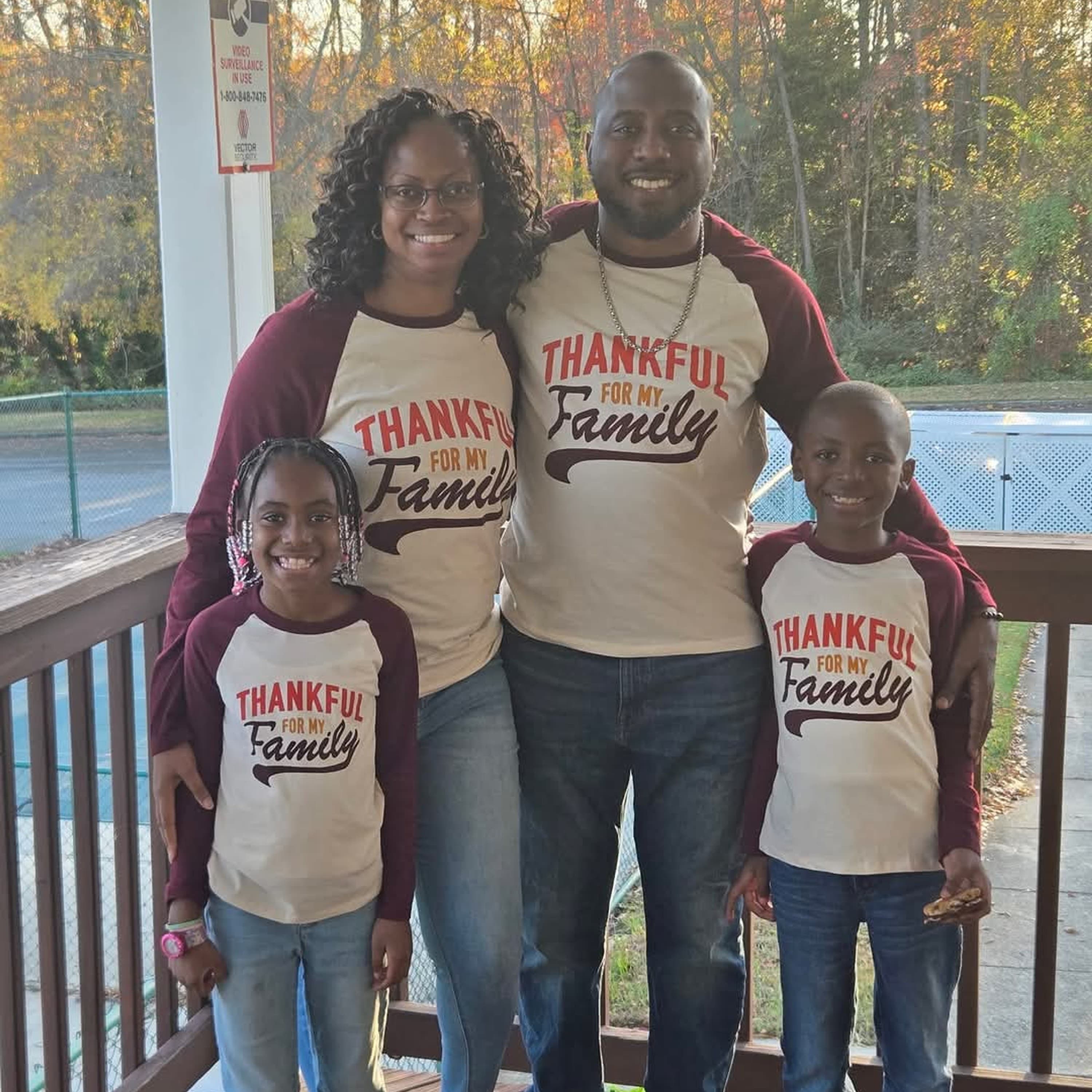
Jerry and Kelly McRae share how they use literature, storytelling, and community resources to teach Black history and identity. They discuss navigating their children's experiences with racism, the influence of social media, and the importance of building community connections. This episode highlights strategies for creating resilient, culturally grounded family dynamics.
This show was created with Jellypod, the AI Podcast Studio. Create your own podcast with Jellypod today.
Get StartedIs this your podcast and want to remove this banner? Click here.
Chapter 1
Celebrating Heritage and History
Jerry McRae
So, when we think about teaching our kids Black history, I I think a lot about how often the school curriculum falls, um, short. It’s almost like...there’s this intentional erasure, you know? So, what we do is we really curate their learning at home.
Kelly McRae
Exactly. And it’s not like we’re building a full-on history class—well, kinda—but we use stories a lot. Like, remember how we talked about Katherine Johnson with Camren last week? He was so amazed to learn about what she did at NASA.
Jerry McRae
He really was! And I—what struck me was how he connected that to his, uh, love for math. It’s like, when we tell them about people who look like them achieving amazing things, it reframes what's possible in their minds. I think storytelling is one of our sharpest tools here.
Kelly McRae
Absolutely! But we also make it a point to show them that history isn’t all triumphs, right? Like when we talked about the Montgomery Bus Boycott. Briana’s big question was, “But how could people treat us that way?”
Jerry McRae
Yeah. And I I didn’t want to just brush it off—’cause those are fair questions. I explained how systemic racism worked then and honestly, how it still works now. It’s tough, but they they need to see the through line to today, you know?
Kelly McRae
Mm-hmm, and the key is using age-appropriate language. I mean, Briana is only seven. We give them the history, but we mix in hope, too. Remember when we were at grandma's house and Uncle Lonnie was talking about something and the kids walked in, and suddenly Aunt Monica yelled, Age Appropriate! That’s why I talked to her about Claudette Colvin and how, even as a teenager, she made such a huge stand for civil rights.
Jerry McRae
Right! And the thing I love is how interactive they get. I mean, when Camren asked, "What would’ve happened if Claudette hadn’t sat down on that bus?" it led to this whole conversation about how small actions lead to big movements.
Kelly McRae
Yes! And that’s the beauty of it. They’re curious, and it’s up to us to feed that curiosity with the right resources. Like, we’ve got that whole shelf of literature specifically about Black history and culture. I mean, Jerry, thanks to you, we’re swimming in books.
Jerry McRae
Guilty as charged. Being a librarian, I am around interesting books all of the time and I like building up our in home library with nice reading materials. My mom had some great books too! After she passed away, I've been finding some interesting ones that she was reading, especially the Prayers book which Pastor Jameson instructed the men's group to read. She had that one too! Ohhh, I love my mom in heaven! Thanks mom!
Kelly McRae
Awwwww, yea Miss Nettie! But it works! Those books help us create a positive narrative around our heritage—something the schools don’t do. At least, not comprehensively.
Jerry McRae
Exactly. It’s...our responsibility, really. One of the things I like to do is tie history to local community events. Like Briana’s dance recital last month—it gave us a chance to talk about the history of African American dance.
Kelly McRae
That’s so true. And you know what else? Finding resources outside the house. Like, those workshops at the cultural center—they love those, and it gets them touching and seeing the history actively.
Jerry McRae
Yeah. It’s about building pride in their identity while also arming them with an understanding that goes deeper than surface-level lessons they, uh, might get at school.
Kelly McRae
Exactly. And I think it’s safe to say they’re starting to get it. The other day, Briana told me she wants to design a mural of Harriet Tubman for her art class.
Jerry McRae
That’s incredible.
Kelly McRae
It really is. And it reminds me that the work we’re doing at home—telling these stories, celebrating their history—it’s impacting how they see themselves and the world around them.
Chapter 2
Navigating Racism and Digital Influences
Kelly McRae
You know, it’s moments like Briana coming home that really remind us why these conversations matter. I’ll never forget when she walked in after that incident in third grade—she looked so confused, almost hurt, and she asked, “Why did they say I can’t play with them 'cause I’m Black?”
Jerry McRae
Ugh, I remember that. My heart sank. I—I mean, as a parent, you know it’s coming. But when it does, it just...knocks the wind out of you.
Kelly McRae
Right. And that night, we had to sit her down and explain racism in a way that wasn’t overwhelming but still honest. I told her, “Some people misunderstand or don’t value our skin color, but that doesn’t mean we’re any less.”
Jerry McRae
And I tried to emphasize that it’s not about her—it’s about their ignorance. Still, it’s tough because you want to shield them, but you also have to prepare them, you know?
Kelly McRae
Exactly. It really tested how we balance giving her a safe space to feel and process while also...equipping her to stand strong. That’s resilience-building in action, I think.
Jerry McRae
Totally. And what helped was sharing our own stories. Like, I told her about the time in eighth grade when I got called names during gym class. Hearing how I processed it—probably clumsily back then—helped her see she wasn’t alone.
Kelly McRae
But you know, what makes it harder now is social media.
Jerry McRae
Oh, yeah. Social media is like, this constant storm of images and ideas, right? And for Black kids, it’s...it’s such a double-edged sword. On one side, you see all these uplifting moments—like Black excellence in every field—but then on the other side are the stereotypes and, uh, outright toxicity they’re exposed to.
Kelly McRae
Exactly. Briana saw a meme once that mocked natural hair, and it really shook her confidence. She even asked me, “Should I straighten my hair to look like the other girls?” That hurt to hear.
Jerry McRae
Yeah, and that’s the tricky part. I mean, how do we use social media to build their self-esteem while helping them, uh, critically analyze the negativity? It’s not an easy conversation, but necessary.
Kelly McRae
It is. That’s why we set boundaries early on. Like, they’re allowed scheduled screen time, but we also make it a point to sit with them, talk about what they’re seeing, and ask questions like, “How does that image make you feel? Why do you think it’s framed that way?”
Jerry McRae
And the thing is, those dialogues teach them to pause and think. Camren’s even started pointing out biases on his own now. He called out an ad last week, saying, “Why don’t they include people who look like us?”
Kelly McRae
I love that. It shows they’re beginning to see themselves more critically, but without losing their sense of worth. That’s exactly what we’re aiming for, isn’t it?
Jerry McRae
It is. And, honestly, seeing them strengthen those muscles gives me hope. Like, they’ll be ready to navigate this digital world with their heads high, knowing they belong.
Chapter 3
Crafting Community Connections
Jerry McRae
It makes me think—how different might it have been if our parents, our kids’ grandparents, were still here to help us guide them? Growing up, I didn’t realize how much grandparents add to the fabric of family life—traditions, stories, even just their presence could have been such a grounding force in all this. Especially now, navigating things like social media and identity.
Kelly McRae
Absolutely. I mean, my grandma used to tell me so many stories about her childhood, and looking back, it really shaped the way I saw myself and my family history. Without that, we’ve had to, you know, kinda get creative with how we keep that connection alive for the kids.
Jerry McRae
Yeah, and honestly, it feels like we’re constantly piecing things together. Like take those video calls we’ve set up with Aunt Monica and Uncle Sandy. They’re not quite the same as having them in the room, but the kids still get to hear those family stories firsthand. It’s something, right?
Kelly McRae
It’s definitely something! And that family history project you started with them? I think that was brilliant. Not even just the past but even present moments seeing family over zoom calls are connections and helps them see community.
Jerry McRae
And yea...I love how Aunt Girlie May would say things to help them envision their roots like, talking about the pecan tree at Grandma Gertrude's house and how we all would pick up pans full and shell them. Naming their aunts and uncles and people way back in their roots—like, these aren’t just names or dates; these are their ancestors. People who lived, struggled, and thrived. It’s grounding, I think.
Kelly McRae
It really is. And you know, it’s not just about the past—it’s also about the present community we build around them. Like Ms, Powell at Oakley? She's been such a positive influence on both Briana and Camren.
Jerry McRae
Oh, absolutely. The way she mentored Camren through his school work and was incredible. It’s people like him who remind me that even though we’re missing the grandparent generation, we’ve got a village stepping in to fill those gaps.
Kelly McRae
Exactly. And it’s so important for the kids to know that they—well, that they have roots, but also wings, you know? That there’s a community invested in their growth.
Jerry McRae
Well said. And I think part of our job is to keep finding those opportunities to connect them with mentors and role models. It’s a reminder for us, too, that parenting is never really a solo act—it’s collaborative.
Kelly McRae
Right. And as much as it takes intentionality, the rewards make it so worth it. I mean, just seeing Briana light up when she learns something about her roots—or when she tells me she sees herself in those stories—that’s when I know we’re doing something right.
Jerry McRae
Yeah. All the little moments, all the effort...it’s about creating a foundation they can carry with them. And honestly, I can’t think of anything more important than that.
Kelly McRae
Me neither. So, to all the parents listening—let’s keep building those connections, one story, one tradition, one relationship at a time.
Jerry McRae
Beautifully said, Kelly.
Kelly McRae
And on that note, that’s it for today’s episode. Thanks for tuning in, and we’ll catch you next time.